When your furry family member is not feeling their best, taking them to a veterinary care center should be the top priority. Modern veterinary medicine is shifting from traditional film-based imaging to high-resolution digital systems.
If you are looking for a trusted veterinarian near you to handle your pet’s diagnostic needs, understanding the technology behind the scenes can provide immense peace of mind.
Digital radiography has become the gold standard in pet healthcare, offering a level of detail and safety that wasn’t possible a decade ago.
What are the 10 major Benefits of Digital X-Rays for Dogs and Cats
Superior Image Quality and Diagnostic Precision
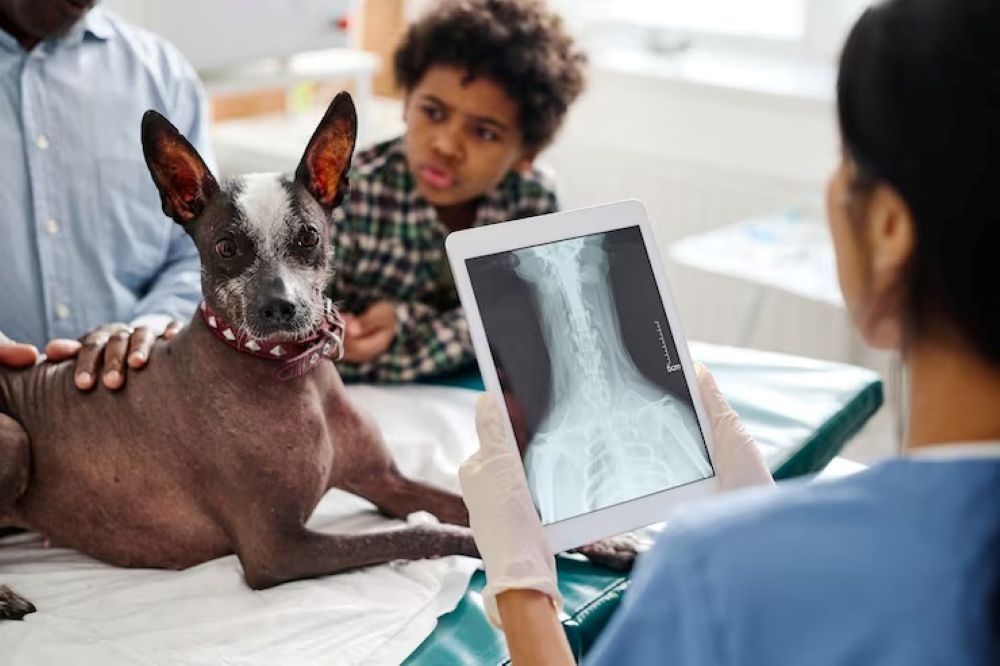
The most significant advantage of choosing Digital X-Rays for Pets in Greenpoint is the unparalleled clarity of the images produced. Unlike old-fashioned film, digital images can be manipulated on a computer screen.
Veterinarians can zoom in on specific areas, adjust contrast, and sharpen the focus to see tiny fractures, tumors, or foreign objects that might be hidden on a standard film. This high level of detail ensures that your pet receives the most accurate diagnosis possible, the very first time.
Faster Results for Urgent Situations
In emergency medicine, every second counts. Digital technology eliminates the need for chemical processing and darkrooms. Images are available almost instantaneously, often within 6 seconds.
This speed is critical when pets need digital X-rays for traumatic injuries or acute respiratory distress. The faster the images are ready, the faster the medical team can begin life-saving treatments or surgeries, significantly improving the chances of a positive outcome.
Reduced Radiation Exposure
Safety is always a concern for pet parents, and digital systems are designed with this in mind. These systems are highly sensitive, requiring much less radiation to produce a high-quality image compared to traditional X-rays.
This makes safe digital X-rays for dogs and cats a reality, minimizing the cumulative exposure your pet receives over their lifetime. This is especially beneficial for pets with chronic conditions that require frequent imaging monitoring.
Less Stress and Shorter Appointments
Pets often feel anxious at the clinic, and lengthy diagnostic procedures can worsen that stress. Because digital sensors are so sensitive, the time the pet needs to remain perfectly still on the table is significantly reduced.
Often, fewer retakes are necessary because the software can correct minor exposure issues. This means your cat or dog spends less time being restrained and more time back in your arms, making the entire experience much more “pet-friendly.”
Seamless Specialist Consultations
Sometimes, a complex case requires a second opinion from a board-certified veterinary radiologist. With digital technology, your pet’s images are stored as electronic files that can be emailed or uploaded to a cloud server in an instant.
This allows specialists to review the case remotely from anywhere in the world, often providing a consultation within hours rather than days. This collaborative approach ensures your pet benefits from a wide range of expertise.
Enhanced Detection of Dental Issues
A large portion of a pet’s tooth is hidden beneath the gum line, where it can hide infections, bone loss, or painful resorptive lesions. Digital x-rays are a cornerstone of modern veterinary dentistry.
They allow the medical team to see deep into the jawbone and tooth roots, identifying problems that are invisible during a standard physical exam. Addressing these issues early prevents chronic pain and systemic infections that can affect the heart and kidneys.
Environmentally Friendly Technology
Traditional x-rays relied on heavy metals like silver and harsh developing chemicals that were hazardous to the environment. Digital systems eliminate the need for these pollutants. There are no chemicals to dispose of and no plastic film waste.
By choosing a clinic that uses digital imaging, you are supporting a more sustainable and “green” approach to veterinary medicine that protects the local ecosystem.
Efficient Long-Term Health Tracking
Digital images are stored in your pet’s electronic medical record, making it easy to compare current scans with those taken years prior. This historical data is vital for tracking the progression of age-related conditions like arthritis or heart disease.
Being able to side-by-side compare images from different years lets your vet see precisely how a condition is changing, enabling more precise adjustments to medications and therapy.
Simplified Storage and Portability
Gone are the days of bulky film folders that could be lost or damaged by heat and moisture. Your pet’s digital files are securely backed up to servers.
If you ever move or need to visit an emergency clinic, your pet’s complete diagnostic history can be transferred to a new facility with a simple click, helping the medical team have immediate access to all previous findings and baseline data.
Improved Patient Monitoring During Surgery
Digital X-rays aren’t just for diagnosis; they’re also helpful during surgery. For example, if a pet swallows a foreign object, a quick scan shows its exact location before surgery.
This allows for smaller cuts, shorter anesthesia, and a faster, smoother recovery.
Digital vs. Traditional X-Ray Comparison
| Feature | Digital X-Ray | Traditional Film |
| Image Ready Time | ~6 Seconds | 5–15 Minutes |
| Radiation Dose | Low | High |
| Chemical Waste | None | High |
| Image Manipulation | Zoom/Contrast Adjust | Static Image |
| Transferability | Instant Electronic | Physical Mailing |
Advanced Diagnostics for a Healthier Life
Investing in advanced diagnostic technology helps ensure your pets live long, healthy lives. Modern imaging offers quick results and comprehensive care for everything, from routine checkups to emergencies.
At Greenpoint Veterinary Care, we use state-of-the-art diagnostics to deliver precise diagnoses and tailored treatment plans. Our compassionate team is dedicated to keeping your dogs and cats healthy and thriving.
If you’re concerned about your pet’s health or want to learn more about our imaging services, contact us today to schedule an appointment.
FAQs
Does my pet need to be sedated for a digital X-ray?
Although pets remain still even with a gentle touch, sedation can sometimes help reduce pain or aid in determining the exact positioning with X-rays.
Are digital X-rays more expensive than traditional ones?
The cost is comparable, but the value is much higher due to increased accuracy, fewer retakes, and faster diagnosis.
Can digital X-rays see through fur and skin clearly?
Yes, the advanced sensors are designed to penetrate soft tissue to provide a clear view of bones, organs, and even certain types of swallowed objects.
Is it safe to be near my pet during the procedure?
Veterinary staff wear protective lead gear and follow strict safety protocols to ensure everyone, including your pet, remains protected from unnecessary exposure.