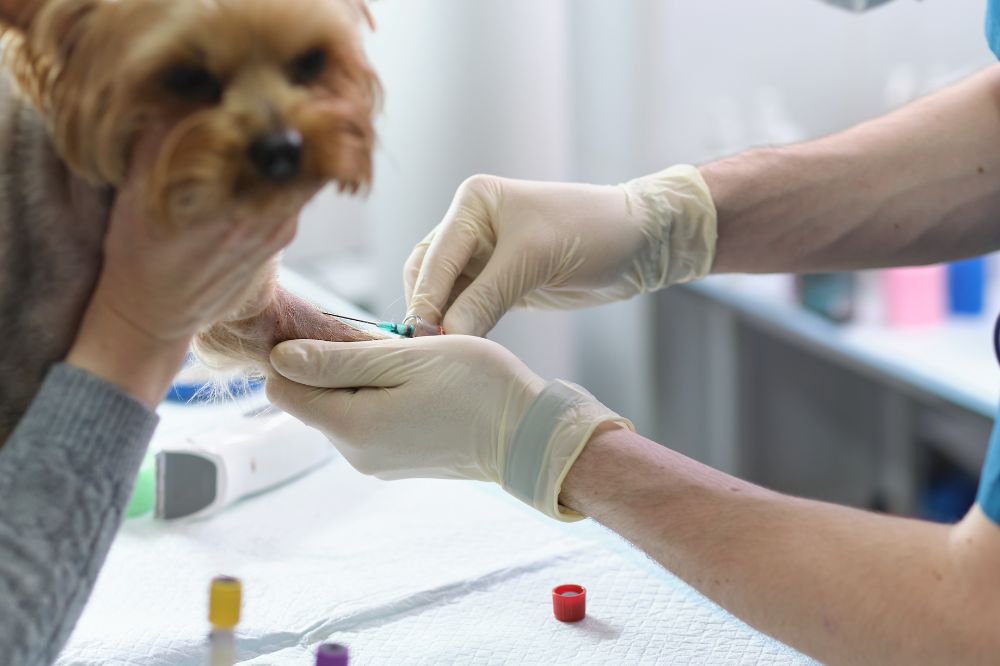
A blood test can give helpful information about your pet’s health. It can check how well the organs are working, look for signs of illness, and help identify health problems early. Blood Testing for Pets in Greenpoint is an important part of preventive care and can help detect issues before your pet shows any symptoms.
Why Are Blood Tests Important for Pets?
Pets cannot tell us when they are feeling sick. Some health problems can develop without clear signs at first.
Blood testing helps veterinarians:
- Check your pet’s overall health.
- Find health problems early.
- See how the organs are working.
- Look for infections
- Help plan the right treatment.
- Monitor ongoing health conditions.
Finding problems early can help prevent them from becoming more serious.
What Does a Pet Blood Test Show?
A blood test can provide information about several important areas of health, including:
| Health Area | What It May Reveal |
| Red blood cells | Oxygen-carrying ability |
| White blood cells | Immune system activity |
| Platelets | Blood clotting function |
| Liver health | Signs of liver concerns |
| Kidney function | Waste filtration ability |
| Blood sugar | Glucose levels |
| Hydration status | Fluid balance |
This information helps create a clearer picture of a pet’s overall condition.
How Can Blood Tests Detect Problems Before Symptoms Appear?
Many diseases begin developing long before visible signs become noticeable.
Blood testing may help identify:
- Early kidney disease
- Liver changes
- Diabetes
- Infections
- Inflammatory conditions
- Certain hormone imbalances
Finding these issues early may allow treatment and monitoring to begin sooner.
What Are Red Flags in a Blood Test?
Certain abnormal results may suggest that additional evaluation is needed.
Possible red flags include:
- Low red blood cell counts
- High white blood cell counts
- Elevated liver values
- Changes in kidney-related markers
- Abnormal blood sugar levels
- Unusual platelet counts
Abnormal results do not always mean a serious illness is present, but they often indicate that further investigation may be beneficial.
When Might a Veterinarian Recommend Blood Testing?
A veterinarian in Greenpoint may recommend blood work during different stages of a pet’s life.
Common situations include:
Annual Wellness Exams
Routine blood testing can help establish baseline health information and monitor changes over time.
Before Surgery
Blood tests help evaluate overall health before anesthesia and surgical procedures.
When Symptoms Appear
Testing may be recommended if a pet shows signs such as:
- Fatigue
- Weight loss
- Increased thirst
- Appetite changes
- Vomiting
- Diarrhea
Senior Pet Care
Older pets often benefit from more frequent monitoring because health changes may occur gradually with age.
What Can Blood Tests Reveal About Organ Function?
Blood tests provide valuable information about how well major organs are working.
Kidney Health
The kidneys help remove waste from the body. Blood work may identify signs of reduced kidney function.
Liver Health
The liver supports digestion and helps process nutrients. Testing can identify changes that may indicate liver concerns.
Pancreatic Function
Blood tests may assist in evaluating conditions that affect digestion and blood sugar regulation.
Monitoring organ health is an important part of preventive veterinary care.
Can Blood Tests Help Detect Infections?
Yes. Blood testing often provides clues about possible infections.
Changes in certain blood cell counts may indicate:
- Bacterial infections
- Viral illnesses
- Inflammatory responses
- Immune system activity
Additional testing may be recommended if infection is suspected.
How Do Blood Tests Help Manage Chronic Conditions?
Pets with ongoing medical conditions often require regular monitoring.
Blood testing for Pets near you may help track:
- Diabetes
- Kidney disease
- Liver disease
- Thyroid conditions
- Certain autoimmune disorders
Routine monitoring allows treatment plans to be adjusted when needed.
Are Blood Tests Safe for Pets?
Blood testing is a common and safe procedure for pets.
It usually involves:
- Taking a small blood sample
- Testing the sample
- Reviewing the results
- Discussing the findings and next steps
Most pets handle blood collection very well and experience only minor discomfort.
How Often Should Pets Have Blood Tests?
Testing schedules vary based on factors such as:
- Age
- Breed
- Health history
- Existing medical conditions
Healthy adult pets may benefit from routine wellness screening, while senior pets or those with medical conditions may require more frequent testing.
Help Your Pet Stay Healthy With Early Detection
Regular health screenings can provide valuable insights into your pet’s well-being and help identify concerns before they become more serious. Blood testing is an important tool for monitoring health, guiding treatment decisions, and supporting a longer, healthier life. Schedule an appointment with Greenpoint Veterinary Care to learn more about preventive wellness testing and personalized care for your pet.
FAQs:-
1. What are red flags in a blood test?
Red flags can include unusual blood test results that may suggest a health problem and may need more testing.
2. Is blood testing painful for pets?
Most pets feel only a quick pinch when the blood sample is taken. The process is usually fast and causes very little discomfort.
3. How long does it take to get blood test results?
It depends on the test. Some results may be ready the same day, while others can take a few days if they need to be sent to a laboratory.
4. Should healthy pets still have blood tests?
Yes. Routine blood testing can help establish baseline health information and identify hidden concerns before symptoms appear.