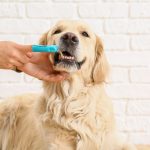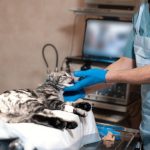
Professional dog teeth cleaning is usually safe when done by a trained veterinary team. It helps remove plaque and hard tartar that brushing cannot fully remove, especially under the gums. If you are thinking about dog teeth cleaning in Greenpoint, it helps to know how the process works and how the team keeps your pet safe. Most dogs need anaesthesia (medicine that keeps them asleep) during a full dental cleaning. This helps the vet clean under the gums because dogs cannot stay still for the whole process while awake. Before treatment, the veterinary team checks your dog’s health and looks for possible risks. Age alone does not decide if dental cleaning is safe. Your dog’s overall health, medical history, and teeth and gum condition all matter.
Is Dog Teeth Cleaning Safe?
For most dogs, professional cleaning is a routine procedure when their health is assessed, and they are monitored throughout treatment. However, no procedure involving anaesthesia is completely risk-free. The vet may suggest blood tests or other checks before cleaning your dog’s teeth, especially if your dog has health problems or takes medicine. These tests help the vet assess risks before administering anaesthesia and plan for a safe recovery.
Safety measures may include:
- Reviewing your dog’s medical history.
- Checking the heart, lungs, and general health.
- Choosing suitable anaesthesia and monitoring equipment.
- Tracking breathing, heart rate, and other vital signs.
- Providing clear instructions for recovery at home.
What Happens During a Dog Teeth Cleaning?
When you book dog teeth cleaning near you, ask what the cleaning includes and how your dog will be monitored. A professional cleaning usually involves several steps.
- Health check: The veterinary team assesses your dog before treatment.
- Anaesthesia: Medication helps your dog remain still and comfortable during cleaning.
- Teeth cleaning: Special tools remove plaque and hardened tartar above and below the gumline.
- Dental examination: Each tooth and the gums are checked for signs of disease or damage.
- Dental X-rays may be recommended to look for problems beneath the gums.
- Polishing: The teeth are polished to smooth the surfaces after tartar removal.
- Recovery: Your dog is monitored as the effects of anaesthesia wear off.
If a tooth is badly damaged or infected, further treatment may be needed.
What Are the Risks of Professional Cleaning?
The main risks are related to anaesthesia and your dog’s health. Some dogs may feel sleepy or slightly unsettled after treatment. Serious complications are less common but can occur, particularly in pets with certain health problems. A veterinarian in Greenpoint can explain the risks based on your dog’s age, health, and dental needs. Tell the veterinary team about any past reactions to medication, current medicines, or changes in your dog’s health. Contact the veterinary team if your dog has trouble breathing, collapses, vomits repeatedly, or remains unusually weak after going home. These signs need prompt veterinary attention.
Why Is Anaesthesia Usually Needed?
A full dental cleaning involves reaching beneath the gumline, where harmful buildup can collect. Cleaning only the visible parts of the teeth does not treat this hidden area.
Anaesthesia allows the team to clean the mouth carefully and examine it without causing fear or sudden movement. It also helps protect the airway when used with proper veterinary monitoring.
Awake dental cleaning may remove some visible tartar, but it cannot provide the same complete examination and cleaning below the gums.
How Can You Help Your Dog Recover?
Most dogs can return home the same day, depending on the treatment and their recovery. Follow the instructions from the veterinary team, as your dog may need extra rest or a short change in diet.
After cleaning:
- Offer water and food as directed.
- Keep your dog calm while the effects of anaesthesia wear off.
- Give only medicines prescribed for your dog.
- Follow any instructions for feeding, brushing, or dental care.
- Contact the veterinary team if recovery does not seem normal.
Support Your Dog’s Dental Health
Professional cleaning can help protect your dog’s teeth and gums when it is planned around their individual health needs. Greenpoint Veterinary Care can assess your pet’s dental health, explain the cleaning process, and help you understand the next steps. Book an appointment with our veterinary team to discuss your dog’s dental care needs.
FAQs
At what age should a dog have a professional teeth cleaning?
There is no set age for every dog. It depends on how much tartar has built up, the health of their gums, their breed, and their overall health. Regular mouth checks can help the vet decide when your dog needs a professional cleaning.
Can a dog have teeth cleaning if it is older?
Yes, older age alone does not rule out cleaning. The veterinary team will assess overall health and anaesthesia risks before recommending treatment.
How often should a dog have its teeth cleaned?
It depends on how quickly tartar builds up and whether your dog has gum problems. Regular vet visits can help decide how often your dog needs a professional cleaning.
Should I still brush my dog’s teeth after a professional cleaning?
Yes. Brush your dog’s teeth daily with a dog toothbrush and dog toothpaste to help stop plaque from building up. Never use human toothpaste on dogs.