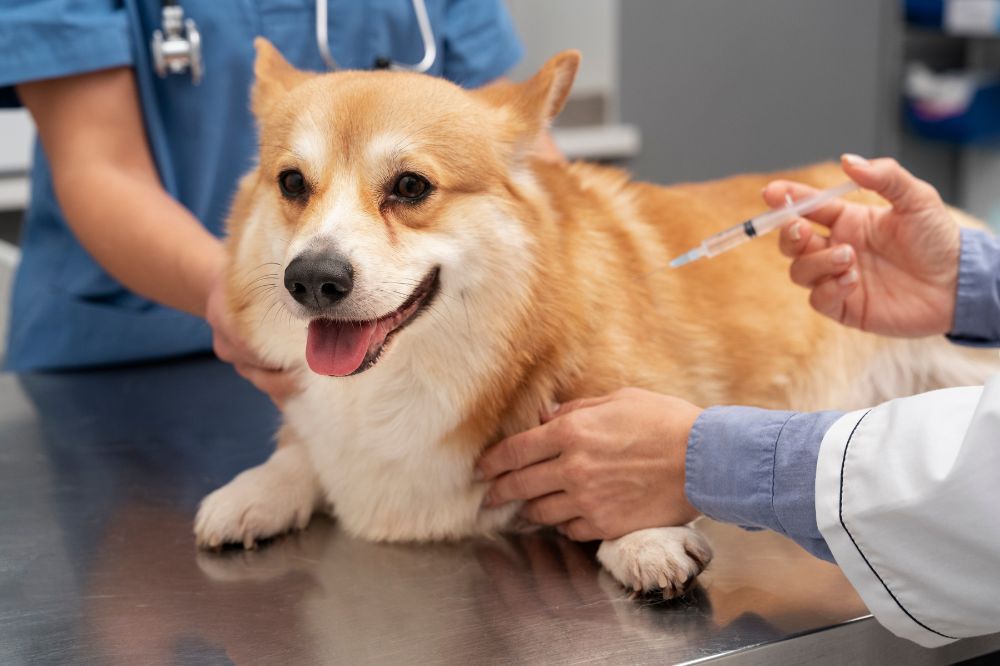
Booster shots are vaccinations that keep your pet protected from serious diseases. After your pet gets their first vaccines, they need booster shots at certain times to maintain protection. Pet vaccinations are important for keeping your dog, cat, or other pet healthy and safe. Without boosters, your pet loses protection against diseases. Booster schedules depend on what vaccines your pet received and how old they are. If you have a veterinarian near you, they can tell you exactly when your pet needs each booster. Regular booster shots are one of the most important things you can do to keep your pet healthy.
Understanding Pet Vaccines and Boosters
Pet vaccinations in Greenpoint work by teaching your pet’s body to fight off diseases. When your pet gets a vaccine, it contains a tiny bit of disease material. Your pet’s body learns to recognize this disease and creates protection against it. This protection does not last forever. Over time, your pet’s protection gets weaker. Booster shots wake up your pet’s body and remind it how to fight the disease. Boosters keep protection strong and active. It’s like training your pet’s immune system, so to speak. The first vaccine is like the first training. These boosters keep your pet’s immune system in shape so it can fight disease easily.
Why Boosters Matter for Your Pet’s Health
Booster shots are important for many reasons:
- They help your pet have immunity against dangerous diseases.
- They safeguard other pets from acquiring diseases.
- They stop you from getting sick.
- They are free from expensive emergency vet fees.
- They keep your pet living longer and healthier.
Skipping boosters puts your pet at serious risk. Diseases like rabies, distemper, and parvovirus can kill pets. A simple booster shot prevents these deadly problems.
Pet Vaccinations Schedule for Dogs
| Age of Dog | Vaccines Needed | Booster Schedule | Important Notes |
| 6-8 weeks | First round of vaccines | Repeat every 3-4 weeks | Puppies need multiple doses |
| 10-12 weeks | Second round of vaccines | Repeat as scheduled | Protection building up |
| 14-16 weeks | Third round of vaccines | Final puppy series dose | Core vaccines completed |
| 1 year old | First booster | Annual or every 3 years | Depends on vaccine type |
| 2 years and older | Booster shots | Every 1-3 years | Follow veterinarian recommendations |
Why Some Dogs May Need Annual Vaccinations
Some dogs need booster shots every year. Others only need them every three years. The difference depends on several things:
Type of Vaccine
Some vaccines last longer than others. Rabies vaccines might last three years. Other vaccines only last one year.
Your Dog’s Health
Dogs with weak immune systems might need more frequent boosters. Older dogs sometimes need boosters more often.
Your Dog’s Lifestyle
Dogs that spend time outdoors or around other dogs might need more boosters. Indoor dogs might need them less often.
Where You Live
Different areas have different disease risks. A veterinarian in Greenpoint or your area knows what diseases are common in your region.
Pet Vaccination Schedules for Cats
Cats follow a similar vaccine schedule to dogs. Kittens need vaccines starting at 6 to 8 weeks old. They get boosters every 3 to 4 weeks until 16 weeks old. Adult cats usually need boosters every 1 to 3 years depending on the vaccine type. Some cats stay indoors and need fewer boosters. Outdoor cats need more frequent protection. Your veterinarian will create a schedule based on your cat’s lifestyle.
Other Pets and Their Booster Needs
Rabbits, guinea pigs, ferrets, and other pets also need vaccinations. Booster schedules vary by species. Rabbits need vaccines every year. Ferrets need vaccines starting as babies and then annually. Talk to your veterinarian about the right schedule for your specific pet.
Keeping Track of Your Pet’s Boosters
Most veterinarians send reminders when your pet needs booster shots. Keep your pet’s vaccination records in a safe place. Some pets wear microchips that contain vaccination information. Write booster dates on your calendar so you do not forget. Missing even one booster puts your pet at risk. Make booster appointments a priority, just like appointments for yourself.
Your Pet Depends on You for Protection
Booster shots are not optional. They are essential care that every pet needs. Regular boosters keep your pet healthy and protect other pets too. The small cost of booster shots is much less than treating a serious disease. Taking care of your pet’s vaccines shows you care about their health.
Give Your Pet the Protection They Deserve at Greenpoint Veterinary Care
Your pet cannot tell you when they need boosters. You have to remember and schedule the appointments. Do not wait for your pet to get sick. Prevent disease with regular booster shots. Your veterinarian is your best resource for knowing when your pet needs boosters. Contact Greenpoint Veterinary Care today to schedule your pet’s booster shot appointment and keep your beloved companion protected and healthy. Our caring veterinary team has years of experience caring for dogs, cats, and other pets. We understand how much your pet means to you, and we work hard to keep them healthy and happy. At Greenpoint Veterinary Care, your pet’s health and safety are our top priority. Call us today to Book an appointment for your pet’s booster shots.
Frequently Asked Questions
Q1: What will happen if my pet misses its booster?
Your pet becomes susceptible to serious illness and disease if you don’t provide the booster on time. Please reach out to your veterinarian as soon as possible to reschedule.
Q2: Are booster shots safe for older pets?
Yes, booster shots are safe for older pets, though your veterinarian might recommend adjustments based on your senior pet’s health.
Q3: Can my pet get sick from a booster shot?
Very rarely, pets might have minor side effects like mild fever or tenderness at the injection site, but serious reactions are uncommon.
Q4: Do indoor pets need booster shots?
Yes, all pets need booster shots regardless of whether they live indoors or outdoors because diseases can be brought inside by people or other animals.