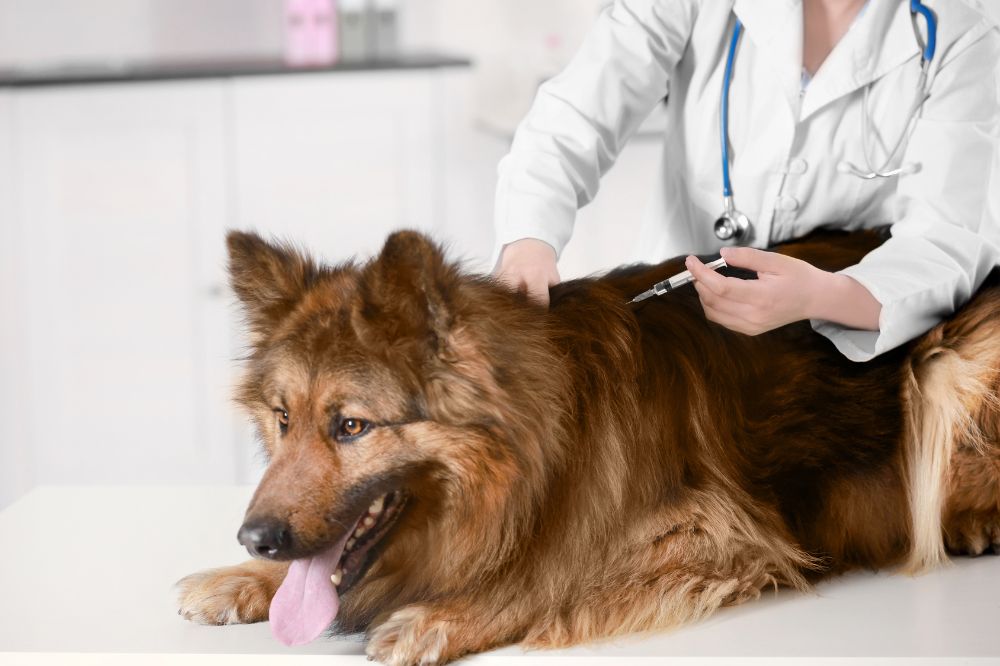
Have you wondered what you can do to help your pet stay healthy for many years? Pet Vaccinations are an important part of your pet’s care because they help protect against serious diseases that can often be prevented. These vaccines support your pet’s natural ability to fight certain infections and help maintain good health as they grow. Keeping up with the recommended vaccination schedule can provide your pet with the protection they need at different stages of life.
How Do Pet Vaccinations Work?
Vaccines help prepare a pet’s immune system to recognize and fight specific diseases. They expose the body to a safe form of a disease-causing organism or part of it, allowing the immune system to build protection without causing the illness itself. If a vaccinated pet is later exposed to the disease, the immune system is better prepared to respond. This helps lower the risk of severe illness and supports long-term health.
Why Are Pet Vaccinations Important?
Vaccinations do more than protect pets from getting sick today. They also help reduce the risk of health problems that could affect them later in life.
Some of the long-term benefits include:
- Lower risk of preventable infectious diseases
- Better protection during every stage of life
- Reduced chance of serious illness and complications
- Support for a stronger immune response
- Improved overall quality of life
Preventing disease is often easier than treating it after infection has occurred.
Which Pets Need Vaccinations?
Vaccinations are important for pets of different ages.
They may be recommended for:
- Puppies
- Kittens
- Adult dogs and cats
- Senior pets
The recommended vaccines depend on several factors, including age, previous vaccinations, lifestyle, and health history. A veterinarian in Greenpoint can recommend a schedule based on your pet’s individual needs.
When Should You Vaccinate Your Pet?
Vaccinations usually begin when pets are young because their immune systems are still developing. As pets grow, booster vaccines may be recommended to help maintain protection against certain diseases.
The exact schedule varies depending on:
- Age
- Species
- Medical history
- Lifestyle
- Previous vaccinations
Keeping up with recommended vaccines helps maintain protection throughout your pet’s life.
Core vs. Non-Core Vaccines: What’s the Difference?
Many pet owners also ask: Core vs. Non-Core Vaccines: What’s the Difference?
Core Vaccines
Core vaccines are generally recommended for most pets because they protect against diseases that are common or can become severe.
Non-Core Vaccines
Non-core vaccines are recommended based on a pet’s lifestyle and possible exposure to certain diseases.
These vaccines may be considered for pets that:
- Spend time outdoors
- Visit boarding facilities
- Travel frequently
- Have regular contact with other animals
The most appropriate vaccines depend on each pet’s daily activities and health needs.
What Can Happen If Vaccinations are Missed?
Skipping recommended vaccines can make pets more likely to get preventable diseases.
Without proper protection, pets may have a higher risk of:
- Becoming seriously ill
- Taking longer to recover
- Having health problems from infections
- Spreading diseases to other animals
Keeping up with your pet’s vaccination schedule helps protect their health.
Are Vaccinations Safe?
Vaccines for pets are made and tested carefully to help keep them safe.
Most pets handle vaccines well. Some may have mild effects, such as:
- Feeling tired
- Slight soreness where the vaccine was given
- Less activity for a short time
These effects usually go away within a day or two. If your pet shows unusual signs, contact your veterinarian.
How Can You Help Your Pet Stay Protected?
Keeping vaccination records up to date is an important part of preventive healthcare.
Helpful steps include:
- Following the recommended vaccination schedule
- Attending booster appointments
- Informing the veterinary team about any changes in your pet’s health
- Asking questions if you are unsure which vaccines are recommended
If you are looking for a veterinarian near you, scheduling regular vaccination appointments helps ensure your pet receives protection appropriate for their age and lifestyle.
Give Your Pet the Care They Deserve!
Having your pet vaccinated regularly is an important step in supporting their overall health and protection from preventable diseases. At Greenpoint Veterinary Care, vaccination plans are created based on your pet’s age, lifestyle, and individual health needs. If you have questions about your pet’s vaccination schedule or are ready to book a visit, contact us today to schedule an appointment and discuss the right preventive care approach for your companion.
FAQs
1. Can adult pets still receive vaccinations?
Yes. Adult pets often need booster vaccines to help maintain protection against certain diseases throughout life.
2. What happens if a vaccination appointment is missed?
A missed vaccine does not always mean the schedule must begin again. A veterinary professional can determine the next appropriate step.
3. Are vaccine side effects common?
Most pets experience little or no reaction. Mild soreness or tiredness may occur for a short time and usually improves quickly.
4. Do all pets receive the same vaccines?
No. Vaccine recommendations vary depending on age, health, lifestyle, and the risk of exposure to certain diseases.