When a dog or cat experiences persistent vomiting, it can worry any pet owner. While an occasional upset stomach results from eating something unusual, frequent episodes often point to underlying abdominal issues. Finding answers starts with advanced diagnostics, and scheduling Pet Ultrasounds in Greenpoint lets veterinary professionals look deep inside internal organs to identify the exact cause of gastrointestinal distress without surgery.
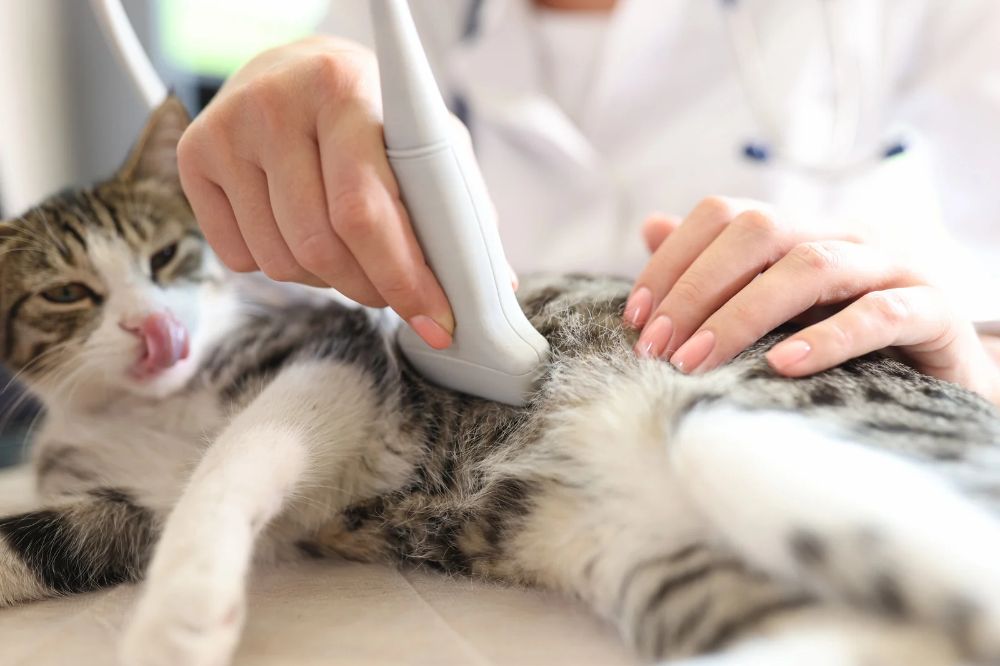
Ultrasound uses harmless sound waves to create real-time images of soft tissues. This makes ultrasound a safe and stress-free diagnostic tool. Veterinarians can assess organ size, tissue texture, and blood flow and easily recognize inflammation, fluid buildup, or hidden blockages. Early identification helps your care team create an effective treatment plan to quickly relieve your pet’s digestive discomfort.
The Role of Abdominal Ultrasound in Veterinary Diagnostics
X-rays, or radiographs, are great for looking at bones and other dense structures, but to see soft tissue you need a different approach. Ultrasound technology uses high-frequency sound waves to create real-time, high-resolution moving images of abdominal organs.
Key benefits of ultrasound imaging include:
- Non-Invasive Safety: Most pets can tolerate ultrasound scans while lounging on a padded table with little to no sedation.
- Detailed Soft Tissue Views: Unlike X-rays, ultrasonography can clearly distinguish fluid from tissue masses, allowing a clear view of the thickness of the stomach and intestinal walls.
- Real-Time Guidance: If your provider spots an anomaly, they can safely guide a fine-needle biopsy to sample tissue.
Consulting an experienced veterinarian in Greenpoint ensures your pet receives accurate diagnostic evaluation when chronic vomiting develops.
Uncovering Causes of Persistent Vomiting
Several abdominal issues can cause repeated vomiting. Ultrasound imaging can be useful in rapidly identifying the culprit:
- Foreign Object Obstruction: Pets will often eat toys, socks, or string. Ultrasound can identify swallowed foreign bodies and bowel obstruction.
- Gastrointestinal Wall Layering: Thickening of the stomach or intestinal walls is a common sign of Inflammatory Bowel Disease (IBD) or intestinal tumors.
- Organ Inflammation: Swelling of the liver, kidneys, or spleen can lead to reflex vomiting.
If you notice ongoing digestive distress in your companion, reaching out to a compassionate veterinarian near you can provide peace of mind and prompt answers.
Advanced Organ Evaluation: Pancreatitis and Adrenal Function
Ultrasound is especially valuable when standard blood tests or X-rays yield inconclusive results for complex internal systems.
Many pet owners ask: Is an Ultrasound Useful for Diagnosing Pancreatitis in Cats? Yes, feline pancreatitis is notoriously difficult to diagnose because symptoms are subtle. Ultrasound lets clinicians clearly visualize pancreatic inflammation, localized fluid accumulation, and surrounding tissue changes.
Hormone imbalances can also cause GI discomfort. Pet owners often ask, “Can a Vet Use Ultrasound to examine a Pet’s Adrenal Glands?” Definitely, ultrasound is also very accurate for measuring the small adrenal glands near the kidneys. It can help diagnose conditions such as Cushing’s disease or Addison’s disease, which often present with vomiting and lethargy.
Finding trusted Pet Ultrasounds near you ensures skilled diagnostic professionals thoroughly evaluate these delicate internal organs.
Restoring Your Pet’s Health and Comfort
Accurate diagnostic imaging is the first step to effective relief when your dog or cat vomits often or has unexplained digestive problems. Our caring staff uses the most advanced diagnostic technology to provide the gentlest, most compassionate care for your pet’s needs. Call Greenpoint Veterinary Care today and schedule a complete evaluation for your pet!
Frequently Asked Questions
Does my pet need to be shaved for an abdominal ultrasound?
Yes, for quality imaging, removing a small patch of fur helps ensure the skin and the ultrasonic probe make good contact.
How long does a pet abdominal ultrasound examination take?
Most diagnostic ultrasound scans take 30 to 45 minutes, depending on the specific organ being evaluated.
Should my pet fast before an ultrasound appointment?
Fasting for eight to twelve hours is usually recommended because food and gas in the stomach can block sound waves.