Problems in a dog’s mouth can make everyday activities like eating and chewing uncomfortable. Injuries, jaw damage, unusual tooth development, or abnormal growths may need more attention than regular dental care can provide. In these situations, oral surgery may help repair damaged areas, remove troublesome tissue, and improve how the mouth functions. If you’re exploring dental surgery for pets in Greenpoint, knowing how local vets pinpoint the problem and plan treatment takes the guesswork out, so you know exactly how to get your dog back to feeling like themselves.
What Are Orofacial Defects in Dogs?
Orofacial defects affect the structures of a dog’s mouth and face. Some are present from birth, while others develop after an injury, infection, or disease.
Common examples include:
- Jaw Fractures: Breaks in the upper or lower jaw, often caused by an accident or other trauma.
- Palate Defects: Openings in the roof of the mouth that may make eating difficult or allow food and liquid to enter the nasal passages.
- Oral Masses: Unusual growths that can develop on the gums, tongue, lips, or other tissues.
- Impacted Teeth: Teeth that remain trapped beneath the gums instead of coming through normally.
Not every problem is easy to spot. You might first notice that your dog is eating differently, avoiding certain foods, drooling more than usual, or showing signs of mouth pain. These changes are worth having a veterinarian near you check.
How Do Vets Decide if Surgery Is Needed?
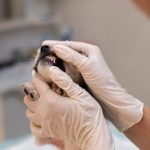
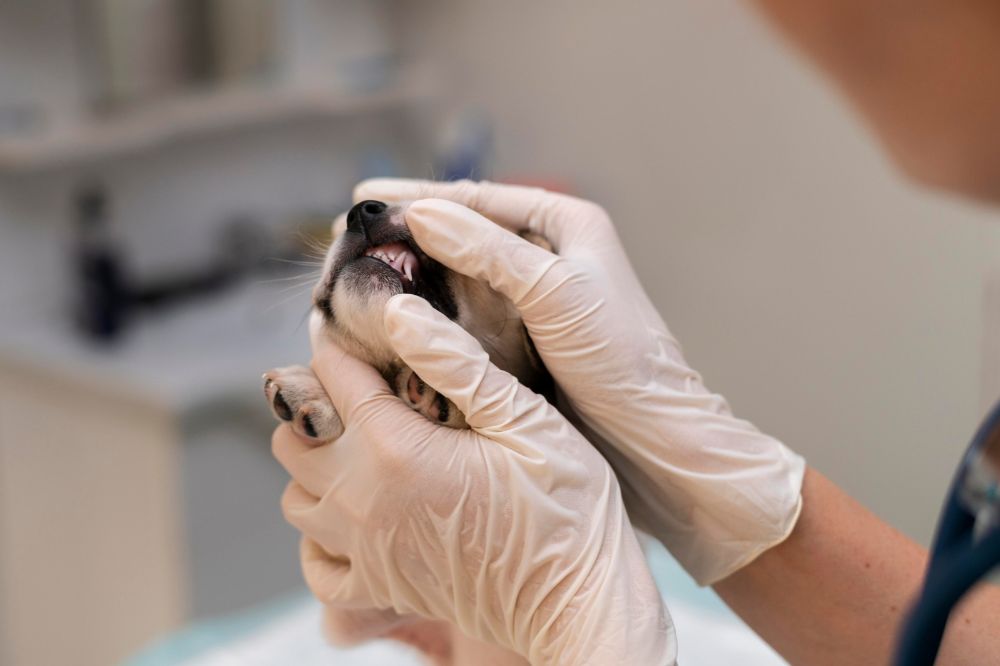
Before recommending surgery, a veterinarian in Greenpoint will examine your dog’s mouth, review their medical history, and ask about any symptoms you’ve noticed. Dental X-rays can reveal problems hidden beneath the gums, including impacted teeth and damage around tooth roots. Depending on the condition, additional imaging or testing may also be necessary.
How Do Vets Determine Whether an Oral Mass Needs Surgical Removal?
A veterinarian looks at the mass’s size, location, appearance, and whether it is growing or affecting nearby tissues. A biopsy may be recommended to identify the type of growth. Removal may be necessary if it causes discomfort, interferes with eating, or needs further examination.
How Oral Surgery Can Help
The right procedure depends on the type of defect and your dog’s individual needs. Treatment may involve:
- Repairing Jaw Fractures: Stabilizing the broken bone to support proper healing and restore function.
- Closing Palate Defects: Using nearby tissue to close an opening when surgical repair is appropriate.
- Removing Oral Masses: Taking out the growth and sending a tissue sample for laboratory testing.
- Extracting Problematic Teeth: Removing teeth that are impacted, infected, or causing damage.
If you’re looking for dental surgery for pets near you, keep in mind that surgery isn’t always necessary for every mouth problem. Your veterinarian can assess your dog’s condition and help determine whether surgery, regular monitoring, or another treatment is the best option.
What Happens if a Pet Has an Impacted Tooth That Never Erupts?
A tooth that stays beneath the gum may not cause noticeable problems at first. However, it can sometimes contribute to infection, cyst formation, or damage to nearby teeth. Dental imaging helps the veterinarian determine whether monitoring or surgical removal is the better option.
What Should You Expect During Recovery?
Oral surgery is generally performed under general anesthesia to keep your dog still and comfortable. After the procedure, your veterinarian will explain how to care for the surgical site. Instructions may include giving prescribed medication, offering soft food, and limiting certain activities while your dog heals. Follow-up visits give the veterinarian a chance to examine the treated area and see how your dog is healing.
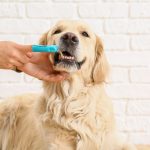
Supporting Your Dog’s Oral Health
Don’t ignore changes in your dog’s mouth, even when they seem small. An early examination can help identify the problem and determine whether surgery or another treatment is appropriate. The team at Greenpoint Veterinary Care can assess your dog’s condition, explain the available options, and help you understand what to expect throughout treatment and recovery. Contact the clinic to arrange an examination and discuss your pet’s needs.
FAQs
What causes orofacial defects in dogs?
Orofacial defects may be present at birth or develop due to injuries, infections, severe dental disease, or other conditions affecting the mouth and face.
How do veterinarians repair orofacial defects in dogs?
Veterinarians may use oral surgery to repair damaged tissues, close openings, or rebuild parts of the mouth. The treatment depends on the type and size of the defect and the dog’s overall health.
Can a dog eat normally after orofacial surgery?
Many dogs can eat more comfortably once they have healed, but they may need soft food and special care for some time. Recovery depends on the type of surgery and how well the tissues heal.
How long does a dog take to recover from oral surgery?
Recovery time varies depending on the extent of the defect and the surgery. Some dogs heal within a few weeks, while more complex repairs may take longer. Follow-up visits help the veterinarian check healing and guide your dog’s recovery.