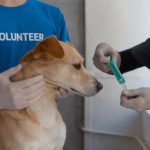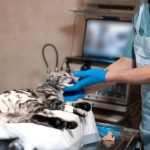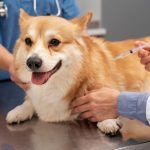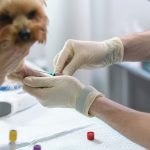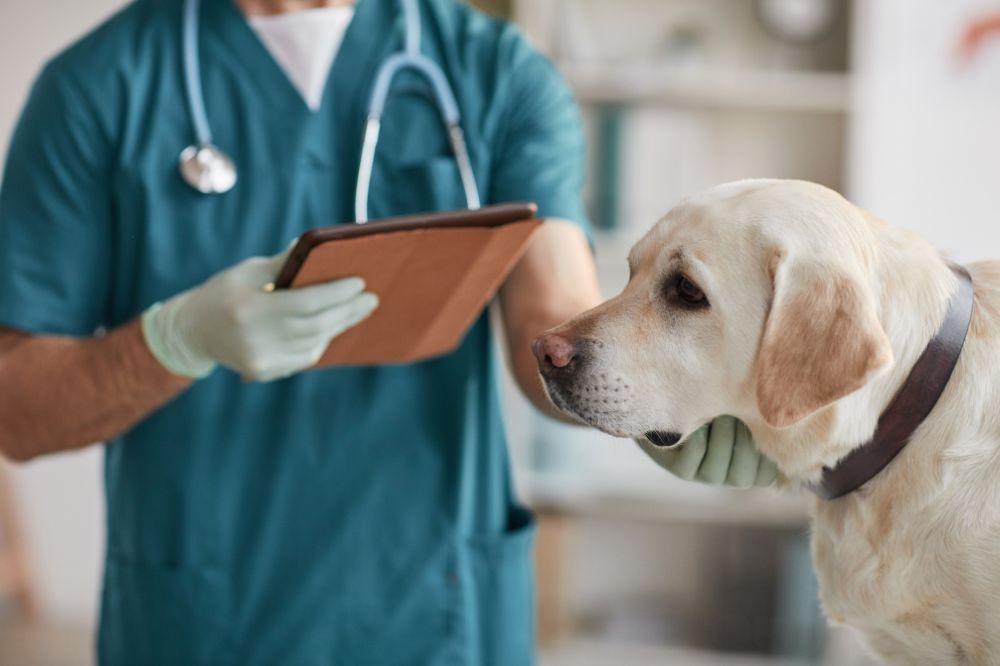
A pet’s condition can change quickly, and serious warning signs are not always easy to recognize at first. An emergency vet in Brooklyn can evaluate sudden or severe health concerns that may need immediate attention. Difficulty breathing, heavy bleeding, repeated vomiting, collapse, poisoning, or unusual seizure activity can signal a problem that should not be left to wait. Knowing these warning signs can help you respond promptly and choose the right level of care when your pet needs help most.
What Counts as a Pet Emergency?
A pet emergency is a sudden health problem that may become serious if your pet does not get treatment quickly. Some signs are easy to notice, while others may be harder to see.
Seek urgent veterinary care if your pet has:
- Trouble breathing
- Heavy bleeding that will not stop
- Loss of consciousness
- Sudden weakness or collapse
- Repeated vomiting or severe diarrhea
- A serious injury
- A swollen or painful belly
- Trouble urinating
- Possible poisoning
- A seizure that lasts a long time or happens more than once
If you are unsure, contact a veterinarian right away. They can help you decide what to do next.
When Should You Take a Pet to an Emergency Vet?
An emergency vet near you may be appropriate when symptoms are severe, sudden, or getting worse quickly. A pet that cannot breathe normally, remains unconscious, or has suffered a major injury should not be left at home to see whether the problem improves. Even when a pet seems calmer after an alarming event, the underlying problem may still need to be checked.
What Should You Do If Your Pet Has a Seizure?
Seizures can be frightening to watch. During a seizure, keep the area around the pet clear to reduce the risk of injury. Do not try to hold the pet down or place anything inside the mouth. The length and pattern of the seizure can provide useful information for the veterinary team.
Should I Take My Dog to the Vet After a Seizure?
Yes, veterinary assessment is recommended, particularly if it is the first seizure, the seizure lasts several minutes, seizures happen close together, or the dog does not return to normal afterward. A veterinarian in Greenpoint can help determine possible causes and whether further testing or emergency treatment is needed.
Which Breathing Problems Need Immediate Care?
Breathing difficulty should always be taken seriously. Watch for signs such as:
- Fast or strained breathing
- Open-mouth breathing is not normal for the pet.
- Blue, grey, or very pale gums
- Excessive effort when breathing
- Sudden weakness or collapse
A pet struggling to breathe may need immediate attention. Avoid delaying care while trying home treatments.
What If Your Pet Is Bleeding?
Small cuts may sometimes be managed with basic first aid, but heavy bleeding is different. Bleeding that does not stop, starts suddenly, or comes from an unknown source can require urgent veterinary care. Use gentle pressure with a clean material while arranging veterinary help. Avoid applying products to a deep wound unless specifically advised by a veterinary professional.
When Is Vomiting an Emergency?
One episode of vomiting does not always mean your pet needs emergency care. However, repeated vomiting, blood in the vomit, severe weakness, a painful or swollen belly, or being unable to keep water down can be signs of a more serious problem. A suspected swallowed object or possible poisoning also deserves prompt veterinary guidance.
What If a Pet Eats Something Toxic?
Do not wait for symptoms before seeking advice after a possible poisoning. Some harmful substances can cause serious problems before obvious signs appear. Keep the product container, label, or substance information available if possible. This can help the veterinary team understand what may have been swallowed and determine the appropriate response. Do not make a pet vomit unless a veterinary professional specifically tells you to do so.
What Should You Do After a Serious Injury?
Falls, car accidents, animal fights, and other major injuries can cause damage that is not immediately visible. A pet may appear quiet after an accident but still have an internal injury. An emergency vet in Brooklyn can assess injuries and determine whether urgent treatment or monitoring is needed. Keep movement to a minimum when transporting an injured pet, especially if a bone or spinal injury is possible.
When Should You Seek Immediate Care for Your Pet?
Sudden or severe changes in your pet’s breathing, movement, alertness, or behavior can be a sign that something needs prompt attention. Acting early may help prevent a serious problem from becoming more difficult to manage. Contact Greenpoint Veterinary Care to discuss your pet’s symptoms, understand whether urgent care may be needed, and receive clear guidance on the next step for your pet’s well-being.
FAQs
1. Should every seizure be treated as an emergency?
Not every seizure requires the same response, but a first seizure, prolonged seizure, repeated seizures, or poor recovery afterward should receive prompt veterinary attention.
2. Can a pet look normal after a serious injury?
Yes. Some injuries may not cause obvious signs right away. Veterinary assessment may be needed after a significant accident or trauma.
3. Should vomiting always mean an emergency visit?
No. One mild episode of vomiting may not need emergency care. However, repeated vomiting, blood in the vomit, severe weakness, a swollen belly, or possible poisoning may need urgent veterinary care.
4. What should you do if your pet may have eaten something harmful?
Contact a veterinarian as soon as possible. Tell them what your pet may have eaten, how much, and when it happened. Do not make your pet vomit unless a veterinarian tells you to.